
Hot Runner Systems for Injection Molding Projects
We connect overseas mold makers and injection molding companies with experienced hot runner engineering and manufacturing support in China—from project review and system configuration to production follow-up and delivery.
Part & mold review · Engineering coordination · Manufacturing follow-up · Export support
Review
Configure
Deliver
Why the Hot Runner Choice Matters First
The right system is not only about heating plastic. It should reduce waste, protect part quality, support stable filling, and make production easier to control.
Less Runner Waste
Reduce cold runner scrap and the extra work of separating, crushing, or reusing runner material.
Shorter Molding Cycle
Simplify the molding cycle and improve output when the mold layout and gate system are suitable.
Lower Molding Pressure
Balanced melt delivery can reduce pressure loss, lower internal stress, and improve part stability.
Better Part Quality
Proper gate control helps improve appearance, reduce deformation, and support thin-wall, large-part, or multi-cavity molding.
Automated Production
Hot runner systems are suitable for efficient multi-cavity production and can reduce manual runner separation work.
Project-Specific Design
Solutions can be adapted by material, gate location, product appearance, cavity number, and required controller setup.
Start With the Problem You Need to Solve
A useful quote starts with the molding problem, not a model number. Choose the area closest to your need, then open the card to see what details help us review the project faster.
Crystalline materials
PE, PP, POM, PA, PET, PBT
Usually need closer review of heat transfer, gate cooling, crystallization behavior, and drooling or stringing risk.
Amorphous materials
PS, ABS, PC, PMMA, PVC
Often reviewed around gate mark, pressure loss, shear sensitivity, color stability, and surface requirements.
Engineering materials
PC, PA, PBT, PET, PA+GF
Need stable temperature control, suitable tip structure, and extra attention to weld lines, glass fiber, or higher molding temperature.
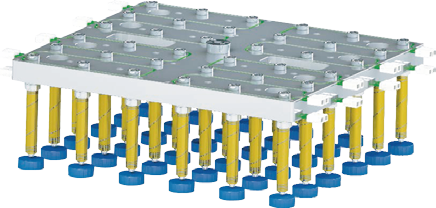
Hot Runner Systems
Complete melt delivery systems for molds that need stable filling, lower runner waste, and a cleaner production process.
Useful When
- Open gate systems
- Balanced manifold design
- Multi-cavity support
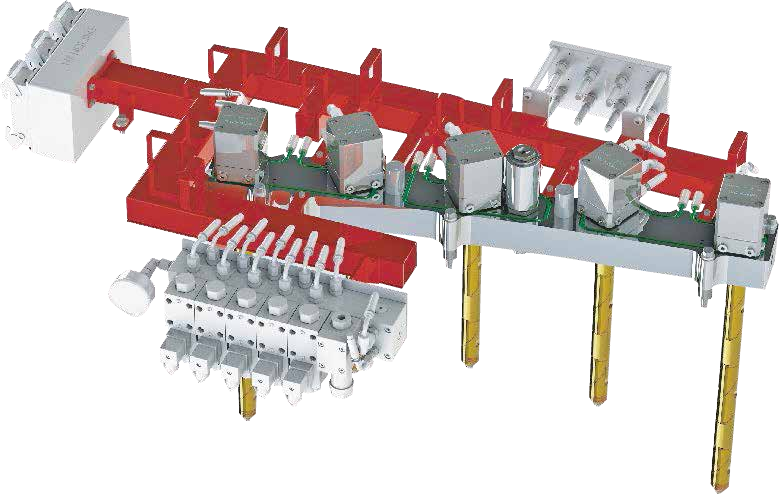
Valve Gate Systems
Pneumatic or hydraulic valve gate systems for projects where appearance, weld lines, strength, or deformation need tighter control.
Useful When
- Small gate marks
- Sequential valve control
- Weld line improvement
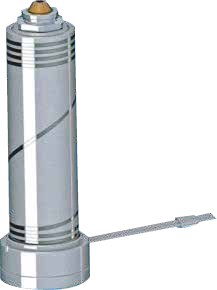
Hot Runner Nozzles
Direct gate, large open gate, multi-tip, side gate, and non-standard nozzle options matched to the material and gate position.
Useful When
- DG / DGL / CE direct gate types
- OT / OA large gate types
- M-DG / M-CDG multi-tip types
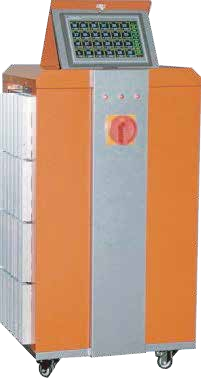
Temperature Controllers
Touch-screen and plug-in card controllers that keep each hot runner zone stable, visible, and easier to maintain.
Useful When
- 2-120 zone touch-screen support
- PID control
- J / K / E sensor compatibility
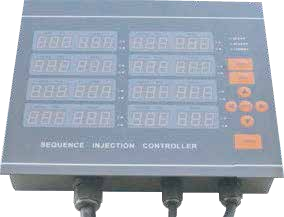
Time Sequence Controllers
Sequence timing control for valve gate molds where filling order affects appearance, weld lines, and part quality.
Useful When
- Up to 8 independent channels
- A / B / AB output modes
- Manual or automatic valve output

Injection Molding & Plastic Parts
Related injection molding, plastic part manufacturing, and mold coordination support when the project needs more than hot runner hardware.
Useful When
- Mold coordination
- Plastic part production
- Project manufacturing support
Choose the Gate Method Before the Hardware
After the product scope is clear, the next decision is the gate method. Open gate, large edge gate, direct gate, side gate, multi-tip, and valve gate systems each solve different molding problems.
Open gate system
Open Gate Pin-Point Series
- Small nozzle diameter for compact cavity spacing
- Balanced runner design with stable heat distribution
- Suitable for multi-cavity automatic production with small gate marks
Large gate / edge gate system
Open Edge Gate Series
- Large gate outlet with lower flow resistance
- Good color change performance
- Suitable for large parts, thick walls, or higher shot volume
DG type hot nozzle
Single-Point Open Type
- Small gate trace and clean product appearance
- Balanced heat conduction with copper heater design
- Suitable for many common plastic parts and hidden gate layouts
Pneumatic / hydraulic valve gate
Valve Gate System
- Precise gate opening and closing timing
- Helps reduce weld lines and deformation
- Useful for strict appearance and strength requirements
M-CDG / side gate nozzles
Multi-Tip Side Gate
- Supports dense nozzle arrangement
- Suitable for small, dense, or micro plastic products
- Nozzle tip can be replaced conveniently
Controller systems
Temperature & Sequence Control
- Touch-screen and plug-in card controller options
- Supports multi-zone temperature control
- Sequence control for valve gate timing and filling order
Nozzle Type Guide
A Practical Way to Compare Common Nozzle Types
The right nozzle is not chosen by model name alone. It depends on gate mark, part thickness, material flow, pressure loss, cavity spacing, color change, mold machining, and the level of filling control required.
Direct Gate
Most common plastic parts
Small gate trace, no cold material stub, suitable for hidden gate or appearance-sensitive parts.
Long Nozzle Tip Direct Gate
Limited gate position
Extended high-conductivity tip for recessed or restricted gate locations.
Gate Bushing Direct Gate
Simplified mold processing
Precision gate bushing helps simplify mold machining, with a small ring mark around the gate.
Open Large Gate
Large or thick-wall parts
Large outlet, low pressure loss, good color change performance, suitable for higher shot volume.
Open Large Gate With Tip
Engineering plastics
High-conductivity tip helps transfer heat to the gate area and reduce drooling or stringing.
Multi-Tip Obverse Gate
Small products and multi-cavity molds
One nozzle body supports multiple tips for compact cavity spacing and efficient production.
Multi-Tip Side Gate
Dense, small, or micro plastic parts
Side injection layout supports tight linear cavity distribution and replaceable nozzle tips.
Valve Gate Nozzle
Strict appearance and strength requirements
Precise gate control for minimal gate mark, weld line improvement, and deformation reduction.
Built for Real Injection Molding Applications
Every industry has different molding priorities. The system should match the part size, material, appearance requirement, production volume, and gate location.
Automotive Parts
Hot runner and molding support for interior, exterior, structural, and appearance-related plastic parts.
Home Appliances
Solutions for appliance housings, functional components, and precision molded plastic parts.
Electronics & Electrical
Gate and temperature control support for small, precise, and multi-cavity electronic components.
Packaging
Hot runner systems for cosmetic, food, and consumer packaging applications where appearance matters.
Medical Packaging
Molding support for clean, consistent, and stable production of medical packaging components.
Daily Consumer Goods
Efficient production support for daily goods, household products, and high-volume plastic items.
From Drawing Data to a Workable Hot Runner Plan
The most useful proposal is built from real project data. We connect the part requirement, material behavior, mold layout, gate choice, temperature control, and valve timing before recommending a direction.
01
Share the known project data
Product drawing, material, weight, wall thickness, cavity number, gate position, and appearance requirements.
02
Choose the gate direction
Open gate, edge gate, direct gate, side gate, multi-tip, or valve gate options are compared against the molding target.
03
Match the control setup
Temperature zones, sensor type, valve count, sequence timing, and signal requirements are reviewed together.
04
Prepare a workable proposal
The recommendation focuses on molding stability, gate quality, maintenance, and production efficiency.
Part and Mold Review
Review drawings, material data, wall thickness, cavity layout, gate position, and appearance requirements before choosing hardware.
System Configuration
Match nozzle type, manifold layout, temperature zones, valve gate options, and controller requirements as one working system.
Molding Issue Review
Review practical issues such as gate marks, weld lines, deformation, drooling, stringing, and temperature stability.
Quotation Preparation
Use the inquiry form to share product, material, cycle, cavity, gate, controller, and production notes for a faster reply.
Control Setup
Match Temperature Control and Valve Timing to the Mold
Temperature and sequence controllers are selected around zone count, sensor type, valve gate count, input signal, output mode, and filling sequence. The goal is stable heat, clear timing, and easier adjustment during mold trial and production.
Touch-Screen Temperature Controller
- Compact integrated chassis for 2-120 hot runner temperature zones
- Standard hot runner electrical interface with modular replacement
- External cooling mode helps reduce internal temperature and extend service life
- Power detection protection for abnormal external voltage
- 10.2 inch touch screen human-machine interface
Touch-Screen Time Sequence Controller
- Centralized structure with simple operation
- Selectable time resolution: 1s, 0.1s, or 0.01s
- Up to eight independent channels
- A / B output modes with channel disable option
- Automatic or manual valve opening output
Plug-In Card Temperature Controller
- Compatible with J, K, and E sensor types
- PID automatic control, manual control, and standby mode
- Controller protection and fault self-diagnosis
- Wide working voltage range: AC80V-AC380V
- Celsius or Fahrenheit measurement options
Time Sequence Controller
- Dual-row LED display with simple menu structure
- Compatible with common timing control cards
- A mode, B mode, and AB mode operation
- Multiple display modes with flexible switching
- Automatic or manual valve pin output control
What We Check
Assembly Parts That Affect the Result
These parts affect heat balance, sealing, gate quality, maintenance, and controller setup. A small change in one area can affect the whole molding result.
Hot Runner Support Built Around Real Molding Work
MoreMolding focuses on hot runner systems for injection molding projects that need clear gate control, stable temperature, efficient production, and practical manufacturing support. The review starts with the part and material, then connects mold layout, gate method, controller setup, and production target.
Hot Runner Focus
Systems, nozzles, gates, manifolds, and controllers
Engineering Review
Project data reviewed before configuration
Practical Choices
Recommendations based on part, mold, material, and target
Molding Coverage
Related plastic part and injection molding support
Questions Before Sending an Inquiry
These questions help turn a general molding need into project data that can actually be reviewed.
Common Molding Issues We Review
Gate mark is too visible
Review valve gate direction, direct gate tip type, gate bushing, and the visible surface requirement.
Weld line affects strength or appearance
Review gate count, valve timing, filling sequence, and manifold balance before changing the mold direction.
Drooling or stringing occurs
Review plastic material, nozzle tip heat transfer, gate cooling, and actual temperature setting.
Part deformation is hard to control
Review pressure loss, gate position, filling balance, cooling layout, and valve opening sequence.
Where should I start if I do not know the nozzle type?
Start with the part drawing, plastic material, cavity number, gate location, and appearance requirement. The gate method and nozzle type can be reviewed after the molding target is clear.
When is a valve gate system recommended?
Valve gate systems are useful when a project needs smaller gate marks, stricter appearance, controlled filling sequence, weld line improvement, or better deformation control.
Why do crystalline and amorphous plastics matter?
Crystalline plastics such as PP, PE, PA, PET, and PBT often need careful gate cooling and heat transfer control. Amorphous plastics such as ABS, PC, PMMA, and PS are reviewed more around appearance, pressure loss, and shear sensitivity.
What controller information should I provide?
Please share the number of temperature zones, sensor type, voltage requirement, valve gate count, input signal, output mode, and any existing connector or wiring requirement.
What information is needed for a quotation?
Useful information includes product drawing, plastic material, part weight, cavity number, gate location, required cycle time, mold layout, and any current production issue. If drawings are not ready, a short project description is still useful.
Can you also support injection molding or plastic parts?
Yes. Hot runner systems are our core focus, and we can also discuss related injection molding, mold coordination, and plastic part manufacturing projects.
Send the Details for Review
Share what you already know about the part, mold, material, gate, controller, or molding issue. Drawings are helpful, but a short project note is enough to start the review.
Phone
+86 15317305617
info@moremolding.com
Before You Ask
Details That Make Review Faster
These details help us review nozzle type, manifold layout, controller setup, and molding risks faster.
- Product drawing or 3D file
- Plastic material and product weight
- Cavity number and mold layout
- Gate location, gate size, and gate number
- Required cycle time or current molding issue
- Controller zones or valve gate sequence if known